

Dopamine reset for focus — a practical guide
If scrolling feels easier than starting work, your reward system isn't broken — it's overloaded. How to reset and rebuild focus on your iPhone.
TL;DR: A dopamine reset reduces digital overstimulation so your brain can focus on slower rewards again. It works best with environmental blocking, not white-knuckling.
What’s actually happening
Dopamine isn’t the “pleasure chemical” — it’s the anticipation chemical. Every notification, scroll, and autoplay video triggers a small hit of “something good might be coming.”
Stack hundreds of those hits per day and baseline life — reading, coding, conversation, exercise — feels flat. Not because those things got worse. Because your reward threshold got artificially high.
This is why starting work feels harder than opening TikTok. The work promise is real but delayed. TikTok delivers in 15 seconds.
What a dopamine reset is (and isn’t)
It is: A period of reduced high-stimulation input so your baseline recalibrates.
It isn’t: A 30-day monk mode where you delete everything and suffer. That fails because it relies on the same willpower that already lost.
Effective resets are structured and partial:
- Block the highest-dopamine apps during work hours
- Keep low-stimulation alternatives accessible (music, podcasts, walks)
- Measure progress in days, not hours
The 7-day iPhone reset protocol
Days 1–2: Audit
Check Screen Time (Settings → Screen Time → See All Activity). Note your top 3 apps by pickup count. Those are your targets — not every app on your phone.
Days 3–5: Block the top triggers
Use Unbound to block your top 3 during a 4-hour daily focus window. Add a bedtime routine if evening scrolling is on the list.
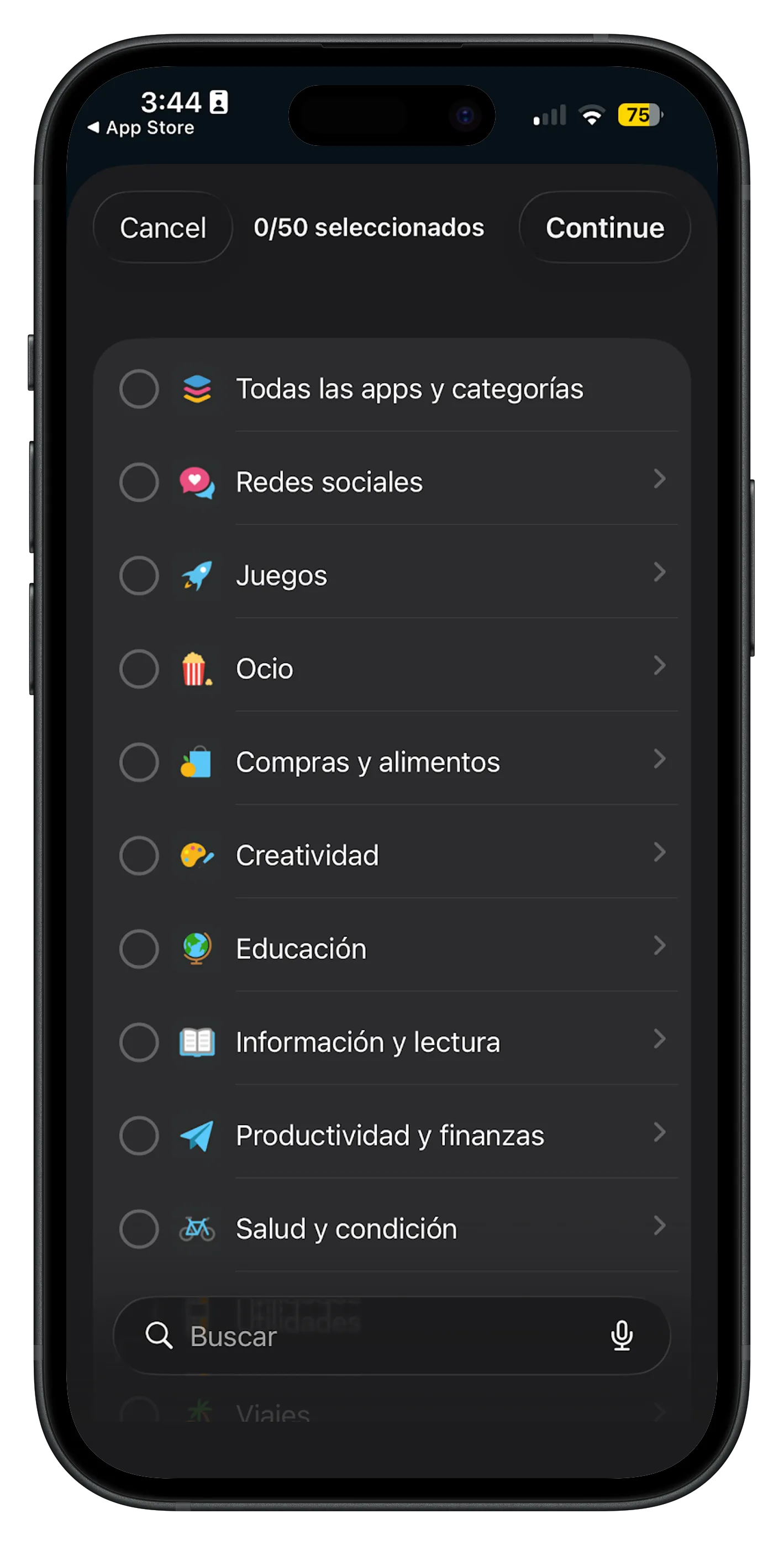
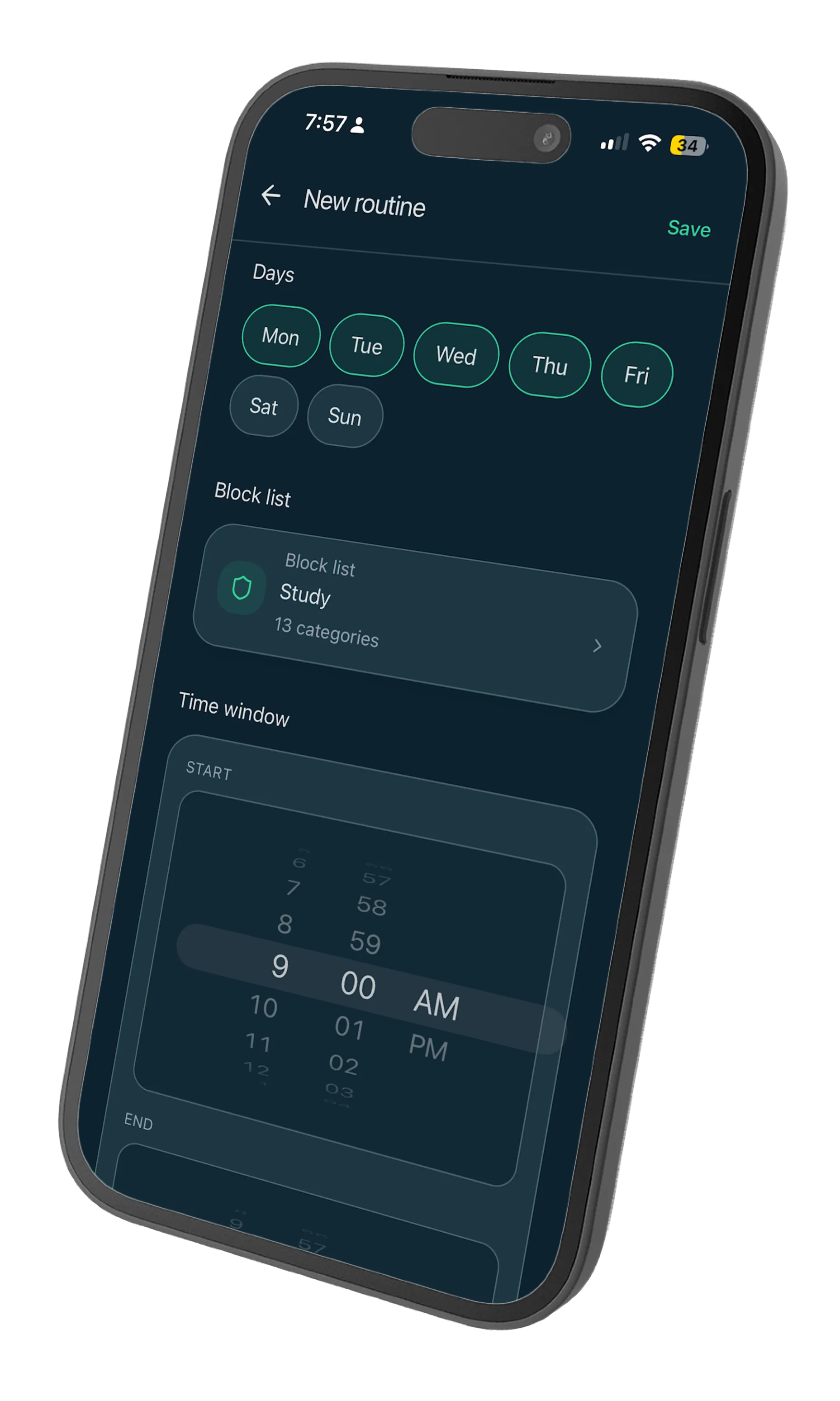
Don’t block everything. Block what the data says is stealing the most.
Days 6–7: Notice the shift
Most people report:
- Work tasks feel less like pushing a boulder
- Boredom becomes tolerable instead of unbearable
- Sleep quality improves if evening apps were blocked
This isn’t placebo. It’s what happens when your dopamine system isn’t getting micro-hits every 30 seconds.
Common mistakes
Going too hard too fast. Blocking all apps for 24 hours leads to rebound binges. Start with one protected window.
Relying on motivation. Motivation spikes day one and dies day three. Routines and scheduled blocks don’t need motivation.
Ignoring the replacement. If you remove TikTok but don’t have a plan for the 8 p.m. boredom slot, you’ll find a new slot machine. Pre-decide: walk, book, call a friend.
After the reset
The goal isn’t permanent deprivation. It’s restored choice — where you pick stimulation instead of it picking you.
Keep one or two routines running permanently. Let the reset window become your new default for the hours that matter most.